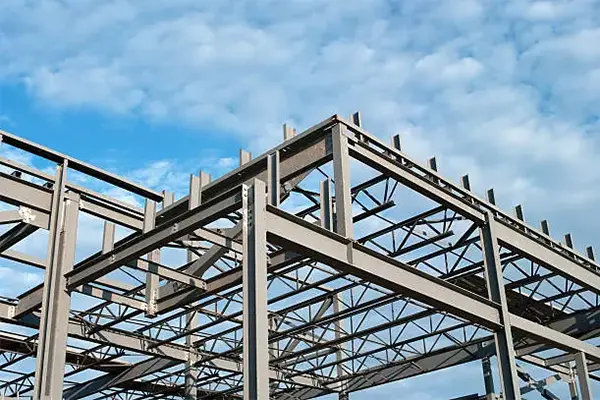
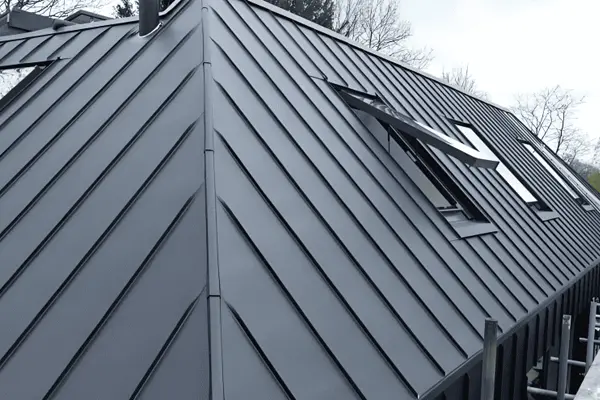
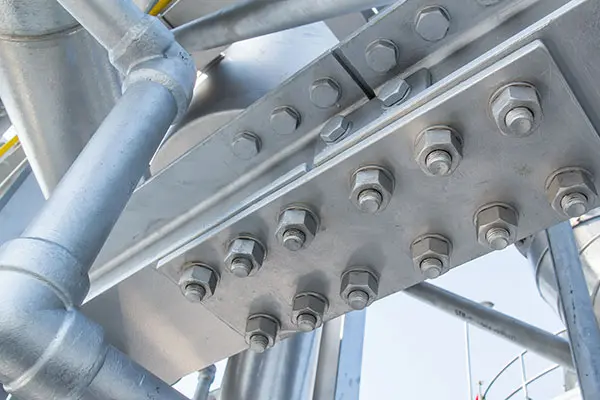
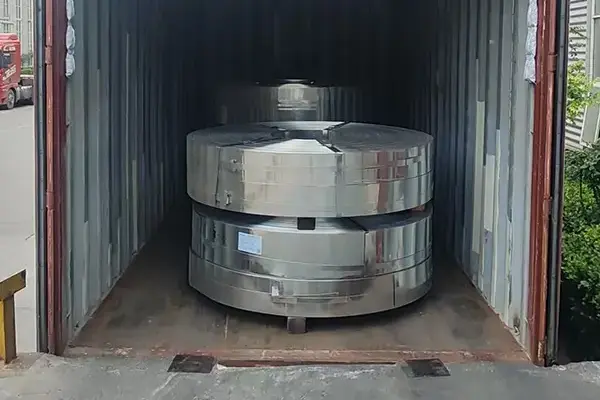
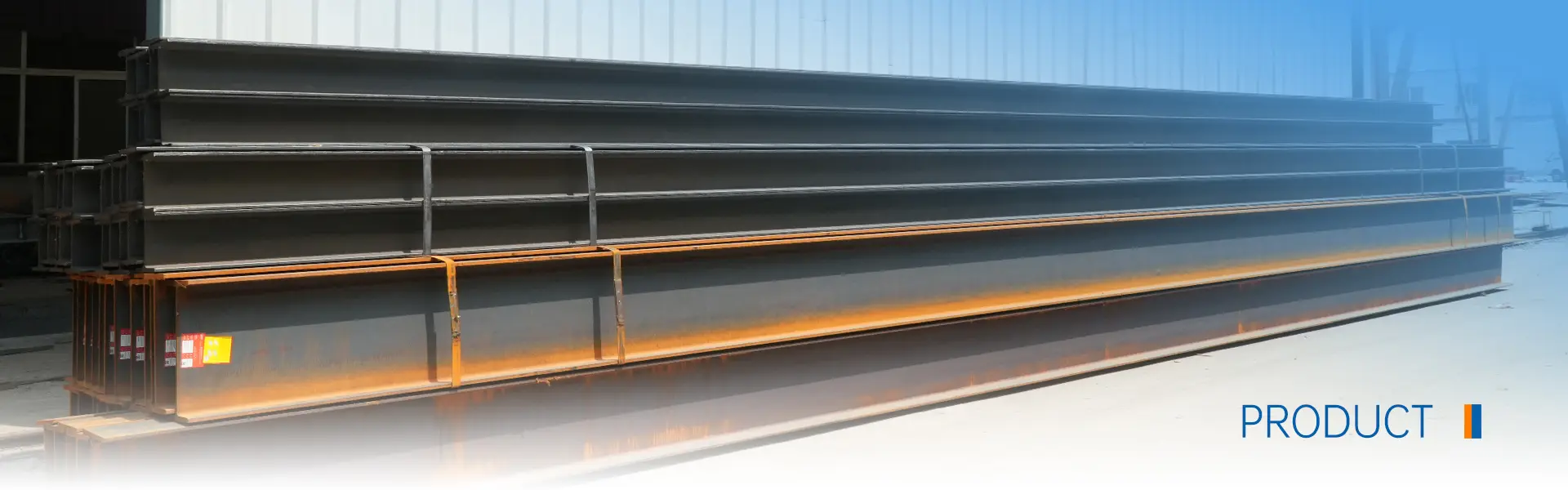
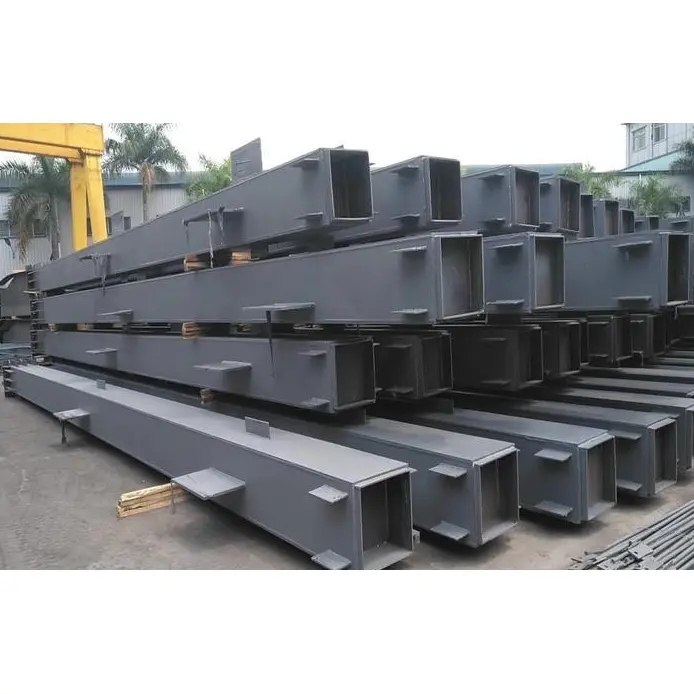
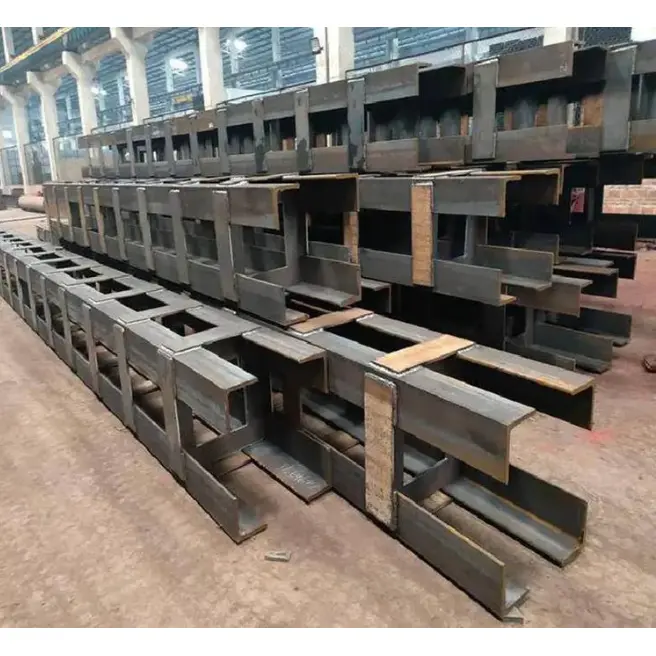
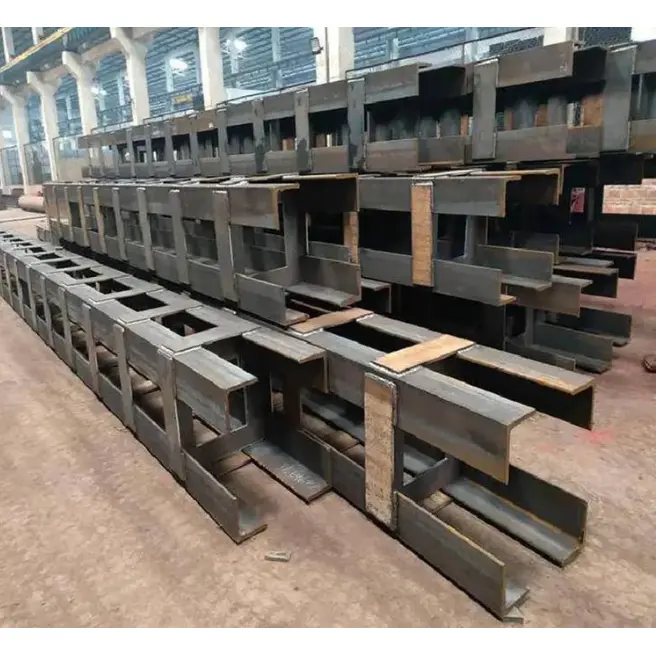
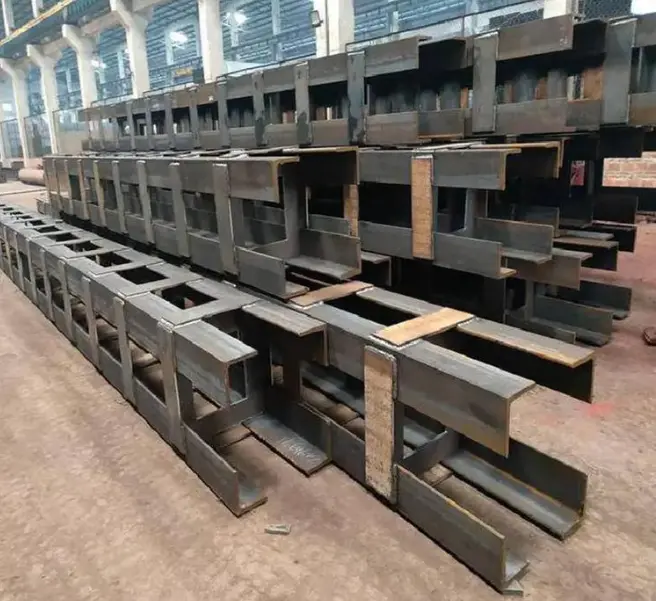
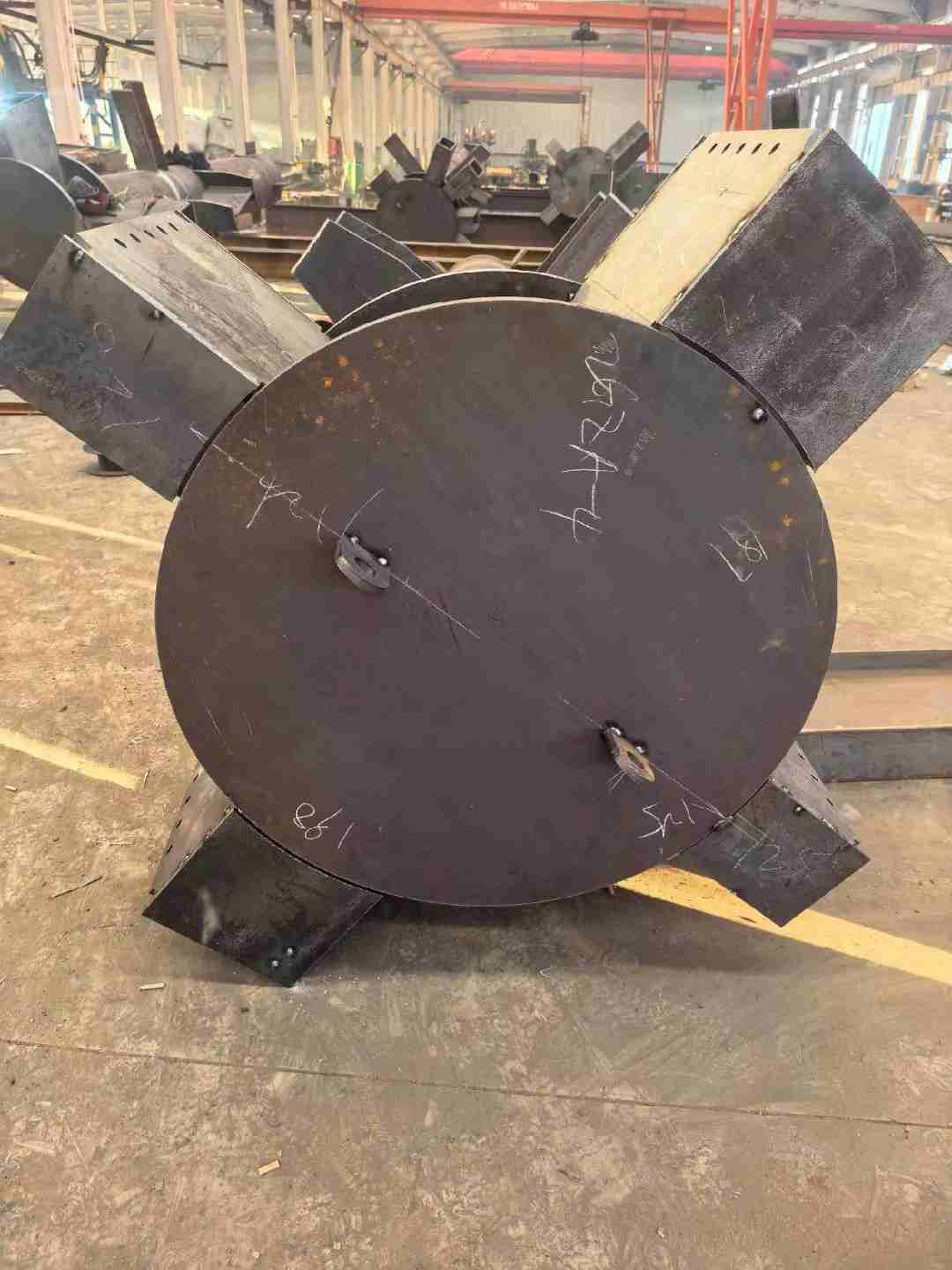
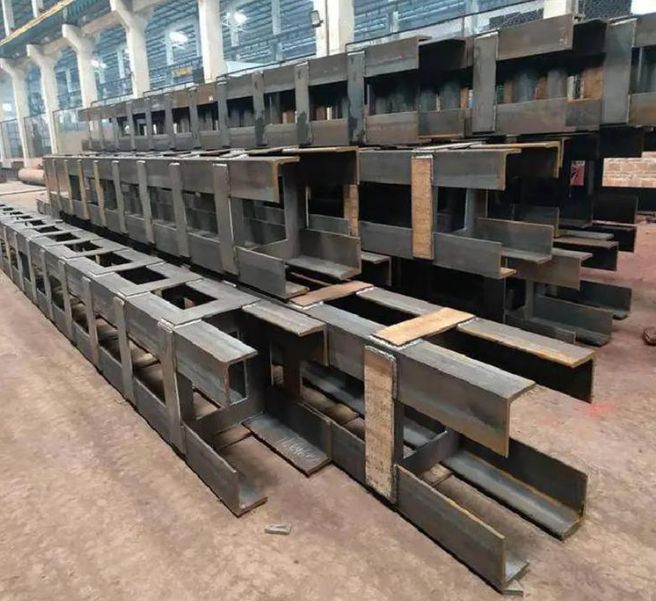
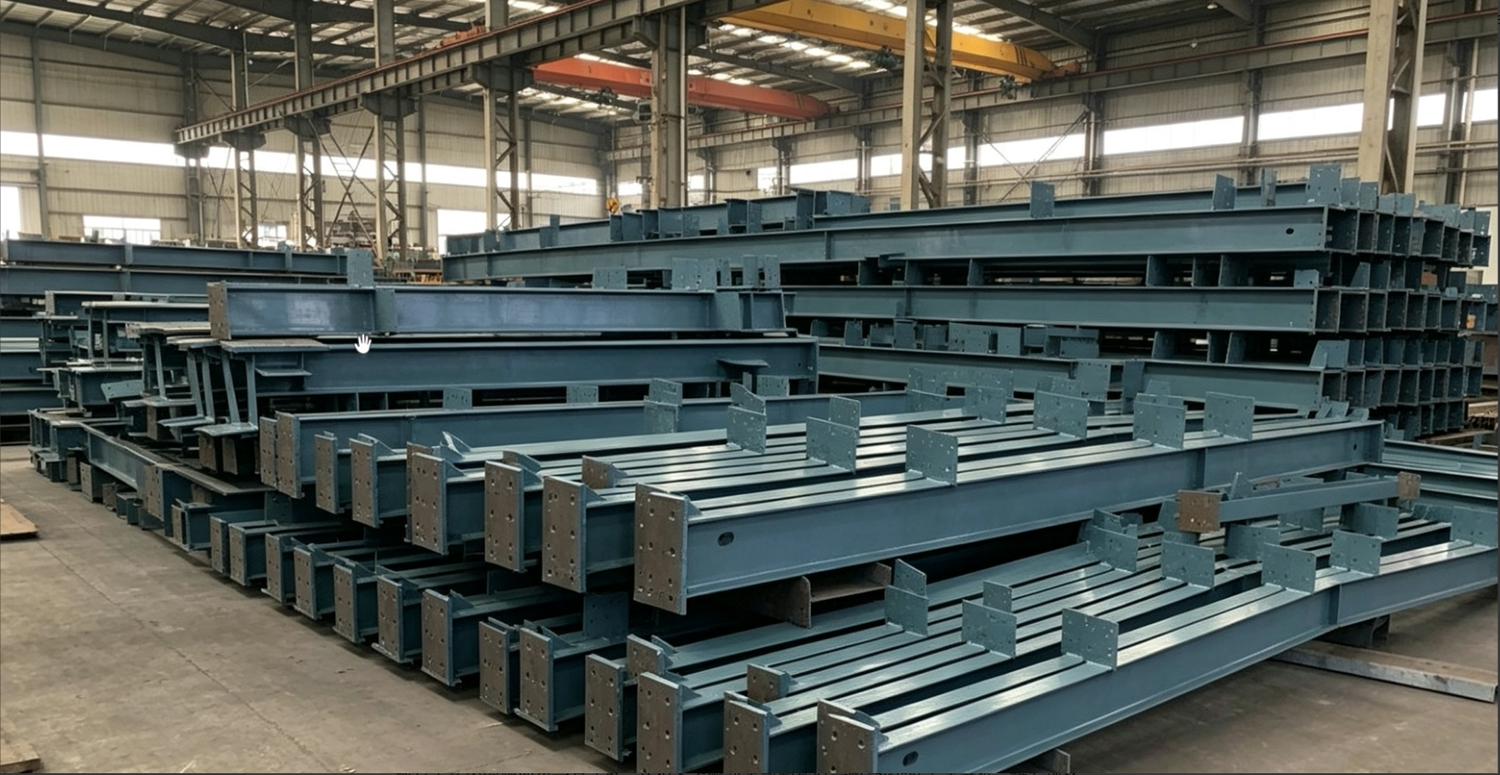
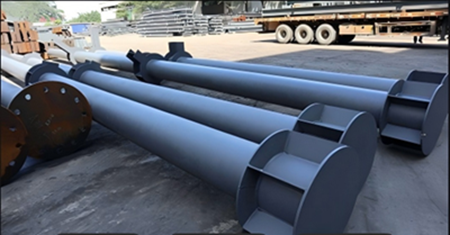
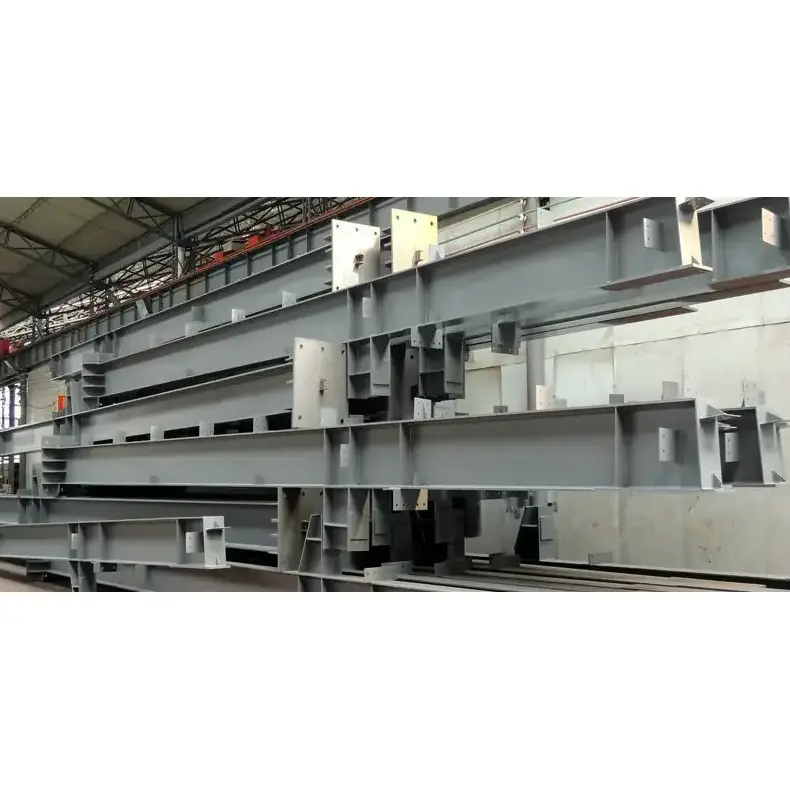
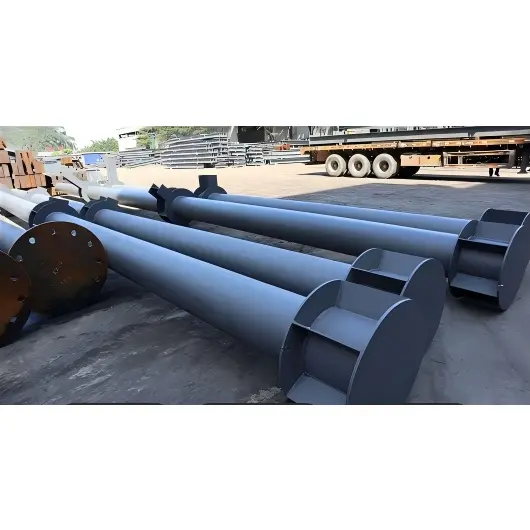
These shaped structural steel columns are fabricated based on construction blueprints, actual site layouts, and specific load-bearing requirements. Using national standard structural steel sections and steel plates as raw materials, they undergo a series of customized processes—including cutting, bending, splicing and welding, straightening, attachment of base plates and gusset plates, hole machining, and anti-corrosion surface treatment—to create non-standard, uniquely shaped load-bearing columns.
ຄໍານິຍາມຜະລິດຕະພັນແລະການຕັ້ງຄ່າ
I. ນິຍາມຜະລິດຕະພັນ
1. ນິຍາມຫຼັກ
Shaped Structural Steel Column refers to a vertical load-bearing steel member with a cross-section that falls outside the standard rectangular, circular, or conventional H-beam categories. These columns are fabricated by welding together multiple steel plate elements, structural sections, and/or steel pipes. They are primarily used in applications such as building corners, concealed wall columns, architectural features, large-span venues, and residential or public building frameworks, balancing structural load-bearing requirements with architectural spatial and aesthetic needs.
2.Column top plate / End plate (top end): Flat end plate, beveled end plate, ຫຼື custom flange plate; ມີລັກສະນະເຈາະຮູປະຕູກ່ອນ ຫຼື ທໍ່ເຊື່ອມເພື່ອເຊື່ອມຕໍ່ກັບຖັນຊັ້ນເທິງ ຫຼື ເສັ້ນເຫຼັກ.
3.End cap plate: seals ເທິງແລະລຸ່ມຂອງຖັນເພື່ອປ້ອງກັນບໍ່ໃຫ້ນ້ໍາແລະ debris ingress; welded ຢ່າງເຕັມສ່ວນສໍາລັບການປະທັບຕາທີ່ສົມບູນ.
(III) ອຸປະກອນເສີມ
1.Corbels / Gusset plates: Cantilevered corbels or connection plates welded to the sides of the non-standard column to support steel beams, trusses, or bracing members. 2. Annular or lateral connection plates are arranged along the outer edges of the column legs, accommodating multi-directional steel beam connections and curtain wall framing attachments.
1. Aligns with wall layouts; no protruding interior columns. L-shaped, T-shaped, and cruciform columns sit flush against shear walls or infill wall corners, eliminating protrusions that consume usable floor area. In contrast, round tubes, H-beams, and square tubes protrude from the wall surface, interfering with floor plans and furniture placement; shaped columns are the preferred choice for residential and prefabricated public buildings.
2. ຮອງຮັບຮູບແບບສະຖາປັດຕະຍະກໍາທີ່ບໍ່ສະຫມໍ່າສະເຫມີ. ສາມາດປະກອບເປັນໂຄ້ງ, ມຸມ, ພາກສ່ວນຕົວແປ, ແລະຖັນປະກອບ polygonal, ອໍານວຍຄວາມສະດວກໄດ້ຢ່າງງ່າຍດາຍໃນຝາ curtain curved, facades ເປັນເອກະລັກ, ແລະໂຄງສ້າງມຸມ cantilevered. Standard round, square, and H-beam sections are fixed, making the cost of modifying them into custom shapes prohibitively high.
1. Multi-directional load sharing. Compatible with cruciform layouts where multiple beams converge and with multi-limb composite cross-sections; primary beams, secondary beams, and diagonal braces can connect to all four sides. The load-bearing performance at beam-column joints is superior to that of simple round or square columns. While round tubes allow 360° beam connections, they are difficult to embed within interior walls; H-beams are limited to two orthogonal connection directions (strong and weak axes).
1. Seamless integration with prefabricated and cast-in-place systems: The column limbs can be embedded within walls, with rebar or shear studs pre-installed, allowing for direct concrete pouring to form a composite column. This offers far greater versatility than conventional steel column systems (such as concrete-filled steel tubes or steel-reinforced concrete).
ພວກເຮົາໃຊ້ cookies ເພື່ອສະເຫນີໃຫ້ທ່ານມີປະສົບການການຊອກຫາທີ່ດີກວ່າ, ວິເຄາະການເຂົ້າຊົມເວັບໄຊທ໌ແລະປັບແຕ່ງເນື້ອຫາ. ໂດຍການນໍາໃຊ້ເວັບໄຊທ໌ນີ້, ທ່ານຕົກລົງເຫັນດີກັບການນໍາໃຊ້ cookies ຂອງພວກເຮົາ.ນະໂຍບາຍຄວາມເປັນສ່ວນຕົວ